
Lead generation today isn’t about who can shout the loudest; it’s about who can teach the best. In 2025, buyers crave clarity, not clutter. They want brands that help them understand their problems, not bombard them with pitches. This shift has given rise to a powerful new paradigm: the brands winning the hardest markets aren’t pushing offers first, they’re educating first. When brands adopt a teaching-first mindset, leads don’t just become interested; they become invested.
Why Teaching Has Become the New Trust Builder
Modern buyers are independent. Before filling out a form or booking a call, they do their homework. They compare solutions, watch content, analyze competitors, and make silent decisions long before ever talking to your team. Without offering educational guidance, brands lose prospects to competitors who simplify the path. Teaching builds trust because it shows expertise without forcing commitment. When a brand helps someone understand their challenge better, that brand becomes the default choice when it’s time to buy.
How Teaching-First Funnels Actually Work
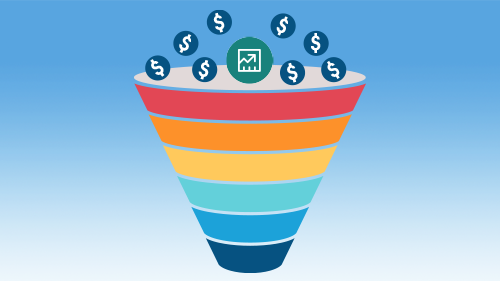
A teaching-first funnel isn’t complicated; it’s intentional. Instead of leading with a sales pitch, it starts by explaining, clarifying, and demystifying the customer’s problem. Brands map out the customer’s confusion points and create resources that address them directly. This is where educational content plays a central role, giving buyers the information they need to move confidently toward a solution. When prospects learn something useful, they naturally engage deeper. The funnel becomes smoother because buyers arrive informed, aware, and ready for a real conversation.
How Teaching Improves Lead Quality and Conversions
When buyers understand the problem, the buying decision becomes much faster. This is why teaching-first funnels lead to higher conversion rates. Sales teams no longer need to spend half the call explaining the basics. Instead, they speak to leads who already understand the problem and see the value in solving it. This eliminates friction, reduces objections, and speeds up close cycles. Teaching doesn’t just attract more leads, it attracts better leads. And better leads convert predictably.

Real-World Example
A B2B cybersecurity firm was spending heavily on ads but attracting uninterested prospects. Their leads looked good on paper but lacked urgency and understanding of the risks. They shifted to a teaching-first approach. Instead of pushing demos, they launched short explainer guides, threat-analysis breakdowns, and simple interactive assessments. Their leads instantly improved in quality. Within 60 days, demo attendance increased by 45%, and close rates by 29%. The biggest win? Prospects arrived saying, “Your content helped me understand the problem better than anyone else.” Teaching didn’t just capture attention; it cemented authority.
Key Points
• Teaching builds faster trust than traditional selling.
• Buyers convert quicker when they understand their problem clearly.
• Educational assets reduce sales friction and shorten cycles.
• Teaching attracts informed, high-intent prospects.
• The right content transforms the funnel into a predictable engine.
Final Thought
In 2025, the most successful brands aren’t the ones pushing the hardest; they’re the ones teaching the smartest. When a company leads with clarity, knowledge, and genuine value, prospects naturally gravitate toward it. This is the foundation of Value-First Lead Generation, where helpfulness becomes the ultimate driver of conversion. And as agencies like Leadful and LevelUp PR continue showing, the future belongs to brands that educate confidently, communicate authentically, and position expertise as their greatest competitive edge.
Leave a Reply