
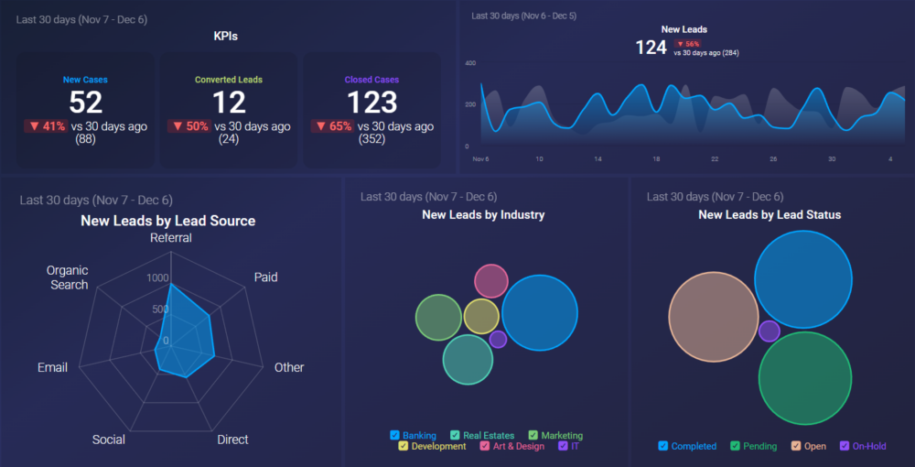
Lead generation in 2025 is no longer just about attracting interest. It is about knowing which leads deserve attention first. As pipelines grow more complex and buyer journeys become less linear, brands are realizing that not every lead carries the same value. This is where modern lead scoring is reshaping how teams prioritize, engage, and convert prospects. By assigning clarity to intent and readiness, lead scoring turns scattered demand into a focused and predictable growth engine.
This shift is transforming how sales and marketing teams collaborate and how end-to-end pipelines operate.
Why Treating All Leads Equally Hurts Conversion Rates
One of the biggest mistakes in traditional lead generation is assuming that every lead should be handled the same way. In reality, leads enter the funnel at different stages of awareness, urgency, and authority. When high-intent leads are treated the same as early-stage explorers, opportunities are delayed or lost.
Lead scoring solves this problem by creating structure. It allows teams to distinguish between curiosity and commitment. When priorities are clear, response times improve and prospects feel understood rather than overwhelmed.
How Modern Lead Scoring Actually Works
Lead scoring today goes beyond basic point systems tied to form fills. Modern frameworks combine behavioral data, engagement depth, and contextual signals to assess readiness. Actions such as repeated page visits, content interaction, or timing-based triggers contribute to a clearer picture of intent.
Instead of guessing who to call first, sales teams receive ranked visibility into which leads are most likely to convert. This creates focus and ensures that effort is spent where it matters most.
The Impact of Lead Scoring on Sales Conversations
When sales teams engage with scored leads, conversations feel different. Prospects are more engaged, more informed, and more open to discussion. Sales professionals no longer need to push interest. They respond to it.
This reduces friction across the funnel. Calls are shorter, objections are fewer, and follow-ups are more purposeful. Lead scoring does not just improve efficiency. It improves the quality of human interaction during the buying process.
Real World Example
A B2B services company was generating a steady flow of inbound leads but struggled with low conversion rates. Sales teams complained about wasted calls and unclear priorities. After implementing a structured lead scoring system based on engagement behavior and timing signals, the pipeline changed quickly.
High-scoring leads were contacted first, while lower-scoring leads were nurtured further. Within two months, conversion rates improved significantly, and sales cycle length decreased. The biggest difference was confidence. Teams knew exactly where to focus.
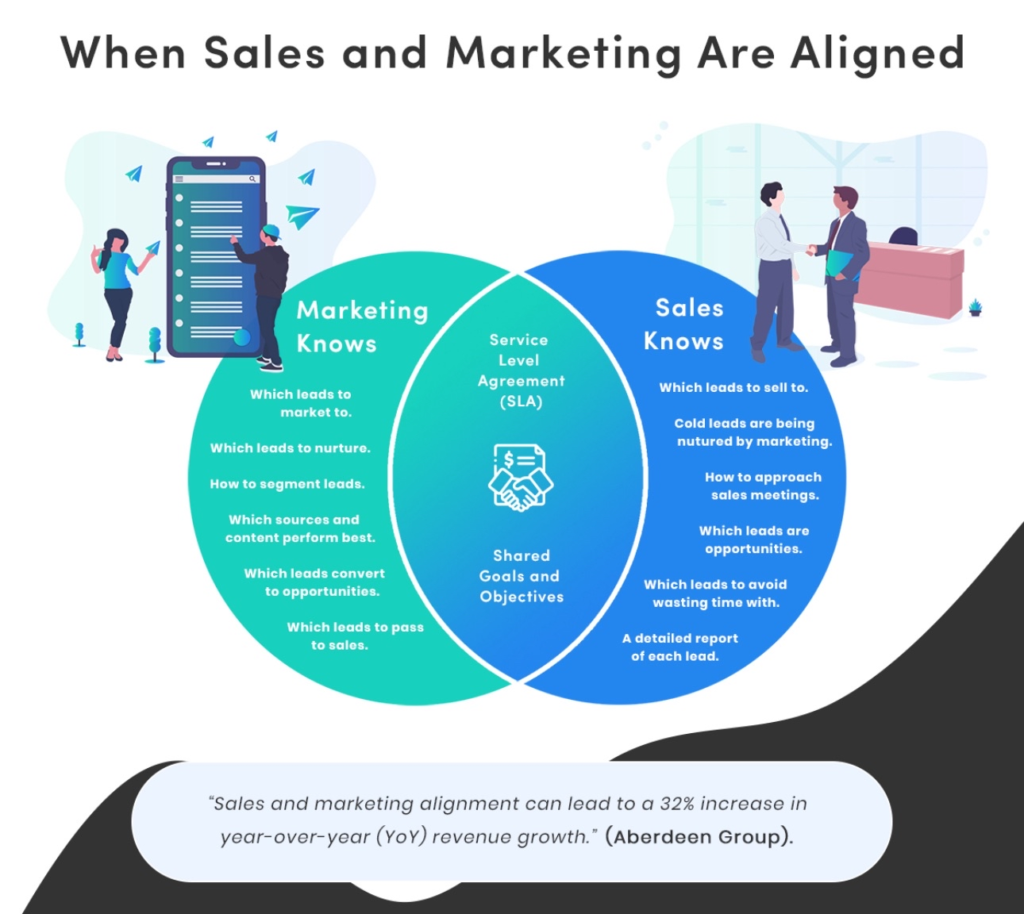
Why Alignment Between Sales and Marketing Matters More Than Ever
Lead scoring only works when sales and marketing agree on what a qualified lead looks like. In 2025, alignment is no longer optional. Marketing teams must score leads based on criteria that sales actually values, while sales teams must trust and act on those signals.
When alignment exists, handoffs become smoother, and accountability improves. Lead scoring becomes a shared language rather than a reporting metric. This alignment strengthens the entire revenue engine.
Turning Lead Scoring Into a Growth Advantage
Lead scoring becomes most powerful when it is reviewed and refined continuously. Buyer behavior changes, markets shift, and scoring models must evolve with them. Brands that treat lead scoring as a living system gain a long-term advantage.
By constantly learning from closed deals and lost opportunities, teams can sharpen scoring accuracy and improve forecasting. This creates predictability in a space that often feels uncertain.
Key Points
• Lead scoring helps prioritize high-intent prospects
• Not all leads should be treated equally
• Behavioral data improves scoring accuracy
• Sales and marketing alignment is critical
• Focused pipelines convert faster and more consistently
Final Thought
The future of lead generation depends on clarity and focus. Lead scoring brings structure to complexity and ensures that attention is given where it has the highest impact, when teams know who to engage and when, growth becomes intentional instead of reactive.
In 2025, brands that master lead scoring will build stronger pipelines and more confident sales teams. With strategic positioning and credibility driven by LevelUp PR, and smarter outreach and execution powered by Leadful, lead scoring evolves from a backend system into a reliable engine for scalable and predictable lead generation.
Leave a Reply