
Lifestyle public relations helps brands connect with consumers through stories, experiences, products, and ideas that reflect their everyday lives. From fashion and beauty to wellness, travel, food, fitness, technology, and home design, lifestyle PR helps businesses communicate why their products and services matter to the people they want to reach. In a competitive market, having a good product is not always enough. Consumers encounter countless brands and promotional messages every day. They want to understand what makes a business different, whether they can trust it, and how its products fit their needs and interests. This is where lifestyle public relations becomes valuable. Through strategic media relations, brand storytelling, expert commentary, creator partnerships, and relevant experiences, businesses can build awareness and strengthen their reputation. However, effective PR is about more than getting a product mentioned in a magazine. It requires a clear understanding of the target audience, a compelling story, relevant media opportunities, and a way to evaluate results.
What Is Lifestyle Public Relations?
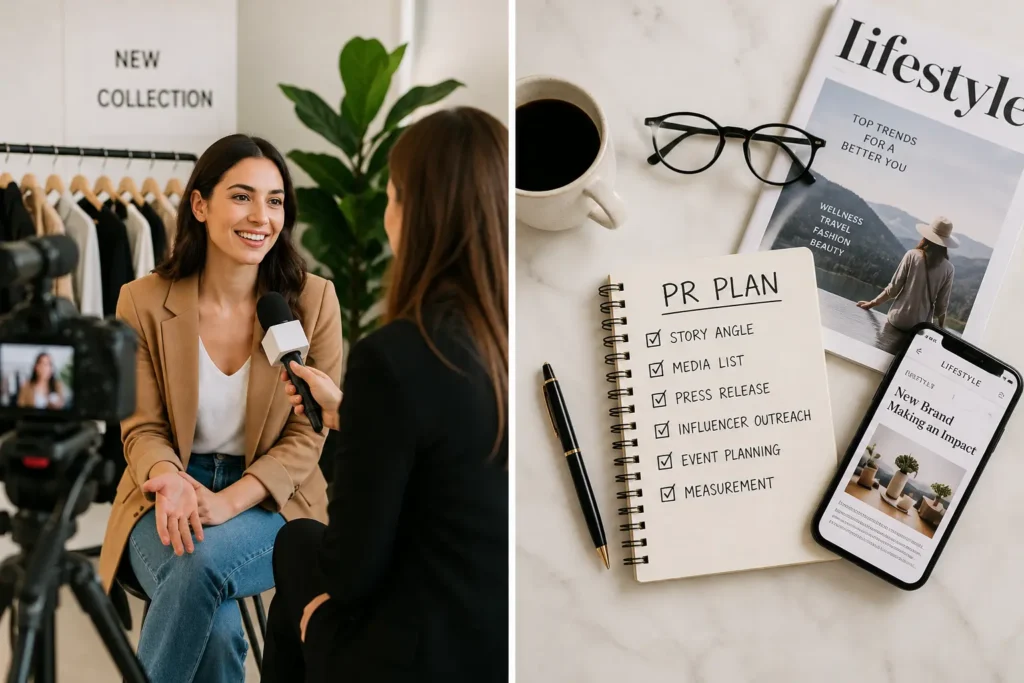
Lifestyle public relations is a strategic communication approach that helps brands earn attention and build relationships with audiences interested in particular lifestyles, interests, products, and experiences. It connects a brand's story with the topics its audience already cares about. These may include fashion trends, beauty routines, travel experiences, healthy living, outdoor activities, food culture, or home improvement. For example, a skincare company might share expert-backed information about its ingredients with beauty journalists. A travel accessories brand could offer practical packing advice to travel publications. An outdoor equipment company might demonstrate how its products perform during real outdoor activities. In each case, the brand is presented within a relevant story rather than through a purely promotional message. A lifestyle PR strategy may include media outreach, press releases, product launches, interviews, events, and partnerships with relevant creators. The exact activities depend on the brand's objectives and audience. The goal is to make the brand more recognizable, communicate its value clearly, and create opportunities for meaningful media exposure.
Why Lifestyle Public Relations Matters for Modern Brands
Lifestyle brands compete for attention in crowded markets. Consumers can compare products, read reviews, follow creators, and discover alternatives within minutes.
The benefits of lifestyle public relations go beyond publicity. When planned around clear business goals, it can help brands establish credibility, communicate their differences, and reach audiences through relevant channels.
1. Builds Brand Credibility and Trust
Consumers may approach promotional claims with caution, especially when competing brands make similar promises.
Research on brand trust and consumer relevance also provides useful context for understanding why trusted communication matters to modern brands. This also highlights the importance of journalism and earned media in helping audiences discover and understand brands.
For example, a homeware company featured in a design publication may reach readers actively interested in interior design. A beauty brand included in a relevant product roundup may introduce its products to consumers researching skincare options.
Editorial coverage does not automatically guarantee trust. The publication’s reputation, the quality of the story, and the accuracy of the information all influence how readers respond.
2. Increases Brand Awareness
Even a strong product can struggle to attract attention if its target audience has never heard of it.
Lifestyle PR helps businesses identify relevant publications, podcasts, journalists, and other communication opportunities that can introduce their brand to new audiences. Understanding changing digital news consumption habits can help brands assess which media channels are relevant to their audiences.
A travel brand might pursue coverage in travel publications before a holiday season, while a fitness company could focus on health and active-lifestyle media.
The objective is to reach people who are likely to care about the brand rather than simply increase the number of media mentions.
3. Creates a Distinct Brand Identity
Many businesses offer products with similar features and prices. A clear brand story helps explain what makes one business different.
Lifestyle brand PR can communicate a company’s founding story, design philosophy, expertise, product development, values, or approach to customer experience.
For instance, a clothing label might explain the inspiration behind a collection and how the designs address a particular customer need. A sustainable homeware company could explain how it selects materials and designs products for everyday use.
The story should reflect the brand’s actual practices rather than make unsupported claims.
4. Supports Product Discovery and Launches
Product reviews, seasonal gift guides, expert recommendations, and editorial features can help consumers discover products while researching potential purchases.
A luggage company featured in a travel packing guide may reach readers preparing for a trip. A kitchenware brand included in a cooking feature may reach people looking for practical products.
Lifestyle PR services can also support launches through media previews, product information, interviews, and relevant creator collaborations.
Coverage may generate website visits, enquiries, and sales, but these outcomes depend on the audience, product, offer, and wider marketing strategy.
5. Builds Long-Term Brand Recognition
A single media mention can create attention, but consistent communication helps a brand maintain visibility.
Businesses can develop stories around launches, seasonal opportunities, expert insights, partnerships, company milestones, and changes in consumer interests.
Over time, this activity can help a brand become more familiar to relevant journalists, industry professionals, and potential customers. Earned media may also contribute to brand visibility in generative AI citations
The aim is not to appear in every conversation. It is to build a recognizable and credible presence in the conversations that matter.
Which Industries Can Benefit From Lifestyle PR?
Lifestyle public relations can support many consumer-facing industries. However, each category requires a different story, audience, and media approach.
Fashion and Beauty
Fashion and beauty brands can use PR to introduce collections, share product developments, communicate founder stories, and build relationships with relevant editors and creators.
Potential opportunities include fashion features, seasonal trend articles, beauty roundups, product reviews, and interviews.
A new fashion label, for example, might pitch a story about the inspiration behind its collection and how the designs address a particular customer need.
Health, Wellness, and Fitness
Wellness companies, fitness businesses, and relevant consumer brands can use PR to communicate expertise, introduce services, and share useful information.
A fitness equipment company might provide practical advice for home workouts, while a qualified wellness expert could contribute commentary to a relevant article.
Health-related claims require particular care. Businesses should use accurate, evidence-based information and avoid promises that cannot be supported.
Food, Beverage, and Hospitality
Restaurants, food brands, beverage businesses, hotels, and hospitality companies can develop stories around seasonal offerings, local ingredients, unique experiences, and consumer trends.
A restaurant might pitch a story about its use of regional ingredients rather than simply announce that it has updated its menu.
The more specific and relevant the story, the easier it is for a journalist to understand its value to readers.
Travel and Outdoor Brands
Travel services, adventure companies, outdoor equipment manufacturers, and active-lifestyle businesses can connect products with real experiences.
A camping equipment company might provide practical preparation advice, while a travel brand could share insights about planning a particular type of trip.
Active lifestyle PR and outdoor active lifestyle public relations are especially relevant when products serve communities built around hiking, cycling, running, camping, and outdoor recreation.
The strongest stories connect performance and product features with the experiences that matter to consumers.
Home, Technology, and Everyday Living
Homeware, consumer technology, smart-home products, and other lifestyle businesses can demonstrate how their products address everyday needs.
For example, a home technology company might explain how a product simplifies household routines. A furniture brand could share practical guidance for creating a more functional workspace.
Instead of relying on technical descriptions alone, the communication should explain why the product matters to its intended audience.
Lifestyle PR vs. Traditional PR, Influencer Marketing, and Advertising
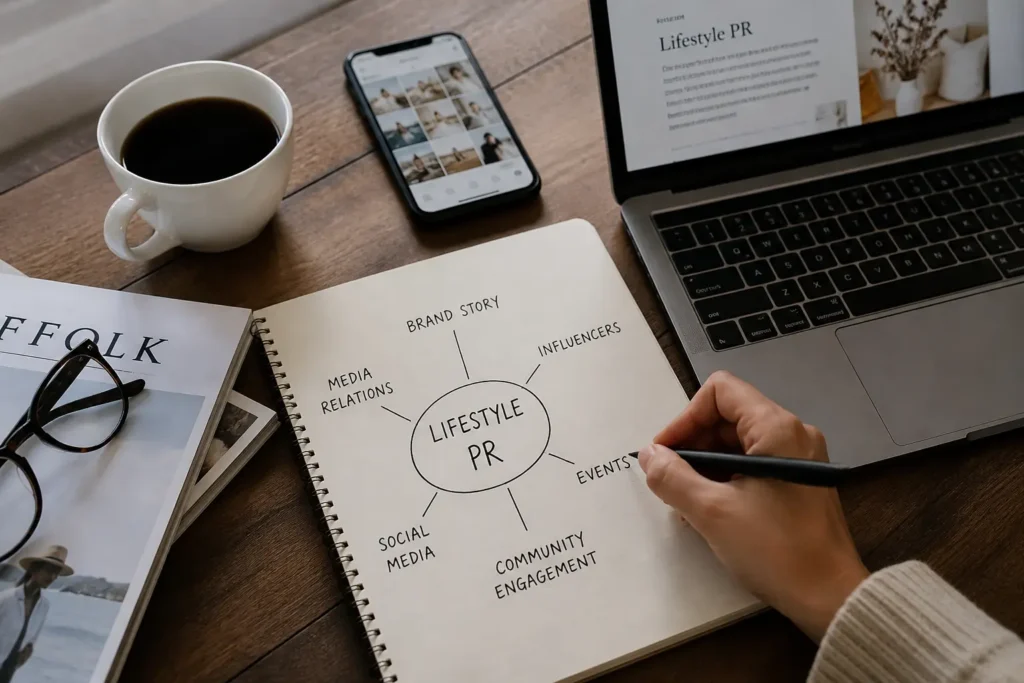
These approaches can work together, but they serve different purposes.
| Approach | Main purpose | Example |
|---|---|---|
| Lifestyle public relations | Earn relevant media attention and strengthen brand reputation | A beauty product featured in an independent editorial article |
| Traditional PR | Manage communication and reputation across industries and stakeholders | A company announcement covered by business media |
| Influencer marketing | Collaborate with creators to reach their audiences | A paid creator demonstrates a fitness product |
| Lifestyle advertising | Pay to promote a brand or product | A sponsored social media campaign for a clothing collection |
Lifestyle PR focuses on how a brand connects with consumer interests, habits, and experiences. Traditional PR can cover a broader range of subjects, including corporate communications, public affairs, and crisis communication.
Influencer marketing can be part of a lifestyle PR campaign, but paid creator partnerships should not be confused with independent editorial coverage. The relationship and any required disclosures should be clear.
Advertising offers more direct control over paid messaging and placement. With earned media, journalists and editors make their own decisions about whether and how to publish a story.
Businesses may combine these approaches depending on their audience, budget, objectives, and available resources.
What Does a Lifestyle PR Agency Do?
A lifestyle PR agency helps businesses plan communications, develop compelling stories, and identify opportunities to reach relevant audiences.
The scope varies by agency, but common lifestyle PR services include the following.
Media Relations and Editorial Outreach
Media relations involves identifying relevant journalists, editors, publications, podcasts, and other media contacts.
PR professionals develop tailored pitches, share useful information, respond to enquiries, and maintain relationships with media professionals.
The goal is to offer a story that fits a publication’s audience and editorial interests. Sending the same generic pitch to hundreds of contacts is not a substitute for relevant outreach.
Brand Storytelling and Positioning
Brand storytelling explains what a company does, what makes it different, and why its audience should care.
A PR team may identify a brand’s origin story, product innovation, expertise, values, or customer experience and turn these elements into clear communication messages.
These messages can then guide media pitches, press releases, interviews, and other campaign materials.
Product Launches and Seasonal Campaigns
A product launch provides a reason to communicate with journalists and potential customers.
A campaign may include a press release, targeted media pitches, product information, samples where appropriate, expert commentary, and outreach tied to a relevant seasonal topic.
Timing matters because many publications plan their content in advance. Businesses should allow time for preparation, editorial consideration, and product availability.
Influencer and Creator Relations
Creator partnerships can introduce brands to communities built around particular interests. Understanding Gen Z consumer behaviour and creator content can help brands plan more relevant communications for younger audiences.
Depending on the campaign, activities may include product seeding, event invitations, interviews, collaborations, or paid partnerships.
Before beginning, businesses should clarify deliverables, fees, usage rights, deadlines, and disclosure requirements. Product samples do not guarantee coverage, and creator partnerships should be evaluated against relevant campaign objectives.
Events and Brand Experiences
Product demonstrations, press previews, launch events, and experiential activities can give journalists and invited guests a direct way to experience a brand.
An event should have a clear purpose and offer something useful or memorable. Its success should not be judged solely by attendance.
Reputation and Crisis Communications
Lifestyle brands may face product concerns, negative reviews, public criticism, or unexpected events that affect consumer confidence.
Crisis communication helps businesses prepare accurate statements, coordinate responses, answer media questions, and communicate with relevant stakeholders.
A clear process cannot eliminate every reputational risk, but it can help reduce confusion and support more responsible communication.
Thought Leadership and Expert Commentary
Founders, executives, and qualified specialists can share useful perspectives through interviews, opinion articles, podcasts, and expert commentary.
Effective thought leadership offers genuine insight rather than repeating promotional claims. It gives journalists and audiences a reason to engage with the person and the brand behind the expertise.
How to Build a Successful Lifestyle PR Campaign
An effective campaign starts with a clear objective and a strong understanding of the intended audience. The following process helps businesses turn those foundations into a practical plan.
Step 1: Define Your Campaign Objectives
Decide what the campaign should achieve.
Possible objectives include introducing a product, increasing brand awareness, strengthening credibility, reaching a new market, or improving reputation.
Choose one primary objective and a few supporting goals. This makes it easier to select suitable activities and evaluate results.
Step 2: Research Your Target Audience
Understand who you want to reach and what matters to them.
Brands should also consider relevant social media trends and consumer engagement when deciding how to reach their audiences.
Use available customer feedback, market research, and existing marketing data rather than relying only on assumptions.
Step 3: Develop a Compelling Story
A product announcement is not always enough to earn editorial attention. Journalists need a reason why the story matters to their readers.
Ask:
- What makes the brand or product different?
- What problem does it solve?
- Why is the story relevant now?
- What evidence supports the claims?
- Why would the publication’s audience care?
A specific, well-supported story is usually more useful than a broad claim that a brand is innovative or unique.
Step 4: Identify Relevant Media Opportunities
Create a targeted list of publications, journalists, podcasts, and creators whose audiences align with the campaign.
Review their recent content, editorial focus, audience, and submission requirements before contacting them.
A smaller list of well-matched contacts may be more useful than a large list of unrelated outlets.
Step 5: Prepare Campaign Materials
Depending on the campaign, prepare a media pitch, press release, product information, brand background, expert biography, and suitable images.
Ensure that all details are accurate and that the materials are easy to understand.
Give journalists the information they need without overwhelming them with unnecessary promotional language.
Step 6: Execute and Maintain Relationships
Contact relevant media professionals with tailored pitches. Respond promptly to reasonable enquiries and provide additional information when requested.
Not every pitch will receive a response, and not every conversation will result in coverage. Record outreach and feedback so the team can refine its approach.
Step 7: Review Results and Improve
Compare the results with the original objectives.
Assess coverage quality, message accuracy, relevant audience engagement, referral traffic, and qualified enquiries where tracking is available.
Use the findings to understand which stories and channels worked best and what should change in future campaigns.
An Illustrative Lifestyle PR Campaign Example
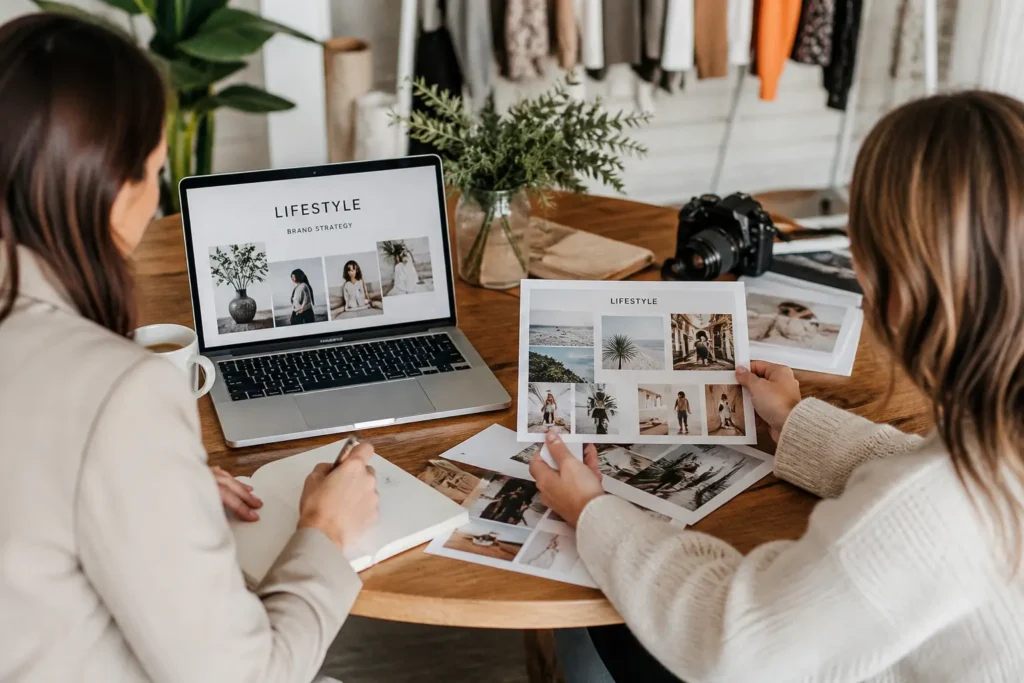
Consider a fictional skincare startup preparing to launch a new moisturiser for consumers with dry skin.
This example illustrates how a campaign could be planned. It is not a real Level Up PR client case study, and it does not represent measured campaign results.
The challenge:
The brand is entering a competitive market and needs to explain how its product differs from existing options.
The strategy:
Instead of relying on a generic product announcement, the brand develops a story around its formulation, intended audience, product development, and the practical needs it aims to address. Any product claims are checked against suitable evidence.
The media approach:
The team identifies relevant beauty publications, skincare journalists, and qualified experts. It prepares a concise pitch, accurate product information, and appropriate images.
The supporting activity:
The brand publishes a useful product guide on its website and shares relevant launch information through its own channels. If creator partnerships are included, their terms and disclosures are clearly established.
The measurement plan:
The team tracks media responses, relevant coverage, referral visits, product-page activity, and attributable purchases where reliable tracking is available.
The learning:
If the coverage generates interest but few product-page visits, the brand can review whether the story includes a useful next step and whether the landing page answers readers’ questions.
The lesson is that lifestyle PR should connect a relevant story with a defined audience and a measurable objective. The campaign should then be improved using actual evidence rather than assumptions about what publicity will achieve.
How Much Do Lifestyle PR Services Cost?
Broader industry research on marketing budgets and agency spending can provide additional context when businesses evaluate their marketing investments
A focused product launch will generally involve a different level of work from a long-term programme covering several markets, ongoing media relations, creator partnerships, and events.
Common pricing arrangements include:
- Monthly retainer: Ongoing planning, media outreach, communication support, and reporting.
- Project-based fee: A defined launch, campaign, or communications project.
- Event-based fee: Planning and delivery of a particular brand or media experience.
- Additional campaign expenses: Potential costs for travel, samples, venues, creator fees, and other agreed activities.
Before signing an agreement, ask for a clear breakdown of deliverables, timelines, reporting, expenses, and cancellation terms.
There is no single price that applies to every brand. Request a proposal based on your actual objectives and resources.
Be cautious of promises that guarantee a specific editorial outcome or sales result regardless of the story, publication, or market conditions.
How Long Does a Lifestyle PR Campaign Take?
Campaign timelines depend on the objective, story, editorial schedules, product readiness, and availability of suitable media opportunities.
The following is a planning framework rather than a guarantee.
| Campaign stage | Illustrative planning window |
|---|---|
| Research and strategy | 1–3 weeks |
| Story development and preparation | 1–2 weeks |
| Media outreach and follow-up | Several weeks or longer |
| Results review | Throughout the campaign and after key activities |
Some stages can overlap, while product launches, seasonal campaigns, and major events may require more preparation.
It is also important to distinguish between activities and outcomes. A team can control when it prepares a pitch or contacts a journalist, but it cannot control when an independent publication decides to publish a story.
For long-term objectives such as building brand recognition and media relationships, consistent communication may be more appropriate than a single short campaign.
How to Measure Lifestyle PR Results
A useful measurement plan connects campaign activity with the original business objectives. Counting media mentions alone does not explain whether the campaign reached the right people or helped the business.
| Campaign objective | Useful measurements |
|---|---|
| Brand awareness | Relevant media mentions, estimated reach, branded search trends |
| Brand credibility | Coverage quality, message accuracy, expert positioning |
| Audience engagement | Relevant interactions, audience feedback, referral activity |
| Website interest | Referral sessions, engaged visits, landing-page activity |
| Lead generation | Qualified enquiries and form submissions, where tracking is available |
| Sales support | Tracked conversions, referral purchases, campaign-assisted sales |
| Reputation | Sentiment patterns, response quality, message consistency |
Track More Than Media Mentions
Review whether the coverage reached the intended audience, accurately represented the brand, and communicated the main message.
A relevant article that explains a product clearly may be more useful than several mentions that provide little context.
Use Website Analytics Carefully
Where possible, use campaign-specific tracking links and website analytics to examine referral visits and meaningful actions.
Not every media placement includes a link, and some consumers may return to a brand through direct traffic or a later search. Referral data therefore provides only part of the picture.
Evaluate Leads and Sales Where Possible
When reliable tracking is available, examine whether PR activity contributes to enquiries, registrations, or purchases.
Attribution should be transparent. A consumer may encounter a brand through PR and purchase later through another channel, so it is not always possible to assign a sale to one activity.
Combine Quantitative and Qualitative Insights
Numbers can show the scale of activity, while qualitative analysis helps explain its relevance and quality.
A useful report should explain what happened, what the evidence suggests, which limitations apply, and what the team recommends next.
Common Lifestyle PR Mistakes to Avoid
Even a well-planned campaign can struggle if its story, audience, or execution is poorly matched.
Sending the Same Pitch to Every Journalist
The same principle applies to social media, where consumer responses to brands following viral trends show why relevance and authenticity matter.
Focusing Only on Product Promotion
A pitch that reads like an advertisement may not offer enough editorial value. Give journalists a useful angle, relevant context, or information that supports a story.
Choosing Publications Based Only on Reach
Large audiences do not automatically mean relevant audiences. Consider the publication’s subject matter, credibility, and alignment with the campaign objective.
Expecting Immediate Sales
PR can support awareness, trust, and discovery, but it does not guarantee immediate revenue. Establish realistic goals and measure outcomes using appropriate data.
Making Unsupported Claims
Exaggerated product benefits, misleading statistics, and unverified statements can damage credibility. Check all claims before sharing them with the media.
Ignoring Follow-Up and Reporting
Record outreach, responses, coverage, and relevant feedback. Without this information, it becomes difficult to identify opportunities for improvement.
Confusing Paid Partnerships With Earned Coverage
Paid creator collaborations, product seeding, and independent editorial coverage are different activities. Track and report them separately so the business understands what it has achieved.
How to Choose the Right Lifestyle Public Relations Agency
Choosing a lifestyle public relations agency involves more than comparing service lists or looking at a few publication logos.
The right partner should understand your audience, explain its approach clearly, and develop a realistic plan that supports your business objectives.
Review Relevant Industry Experience
Ask whether the agency understands your category and can explain how it would approach your audience and media landscape.
Relevant experience is useful, but the agency should also demonstrate how it would adapt its strategy to your specific business.
Evaluate Its Strategic Approach
A strong proposal should identify the communication objective, audience, story opportunities, expected activities, and measurement plan.
Be cautious of proposals that promise a long list of placements without explaining why those opportunities fit your brand.
Understand Its Media Outreach Process
Ask how the team researches publications, develops pitches, and maintains media relationships.
A credible agency should explain how it selects relevant contacts rather than relying solely on the number of media outlets in its database.
Ask About Measurement and Reporting
Confirm what will be reported, how often reports will be delivered, and which outcomes can realistically be measured.
The agency should distinguish completed activities from actual coverage, engagement, and business results.
Confirm Scope, Fees, and Expectations
Review deliverables, communication arrangements, additional expenses, and the responsibilities of both parties.
Ask how the agency will respond if the initial story does not generate the expected interest.
Request Relevant Evidence
Ask for case studies, examples of work, or references where appropriate. Confirm what role the agency played in each result and whether the evidence supports the claims being made.
No agency can guarantee every independent editorial decision. Look for a partner that sets realistic expectations and communicates transparently.
Frequently Asked Questions About Lifestyle Public Relations
What is lifestyle public relations?
Lifestyle public relations is the strategic communication of a brand's stories, products, services, and expertise to relevant audiences through media relations, editorial opportunities, events, partnerships, and other PR activities.
What are the main benefits of lifestyle public relations?
The benefits of lifestyle public relations can include stronger brand recognition, relevant media exposure, improved credibility, clearer brand positioning, and opportunities to connect with potential customers. Results depend on the strategy, execution, audience fit, and business context.
What does a lifestyle PR agency do?
A lifestyle PR agency helps businesses develop stories, identify relevant media opportunities, pitch journalists, coordinate launches, manage suitable creator partnerships, support reputation management, and review campaign results. The exact services depend on the agency and client agreement.
What are lifestyle PR services?
Lifestyle PR services may include media relations, brand storytelling, product launch support, editorial outreach, expert commentary, creator relations, events, reputation management, and campaign reporting.
What is consumer lifestyle PR?
Consumer lifestyle PR focuses on communicating with audiences interested in products and experiences related to everyday life. It can support businesses in fashion, beauty, food, travel, fitness, homeware, and other consumer-facing categories.
Final Thoughts: Why Lifestyle Public Relations Matters
Lifestyle public relations helps businesses communicate what makes them relevant, build relationships with media professionals, and introduce their stories to audiences who are likely to care about them. From media relations and product launches to expert commentary and creator partnerships, effective campaigns combine relevant storytelling, targeted outreach, and meaningful measurement. For businesses in competitive consumer markets, the goal should not be publicity for its own sake. It should be communication that strengthens brand recognition, supports credibility, and contributes to wider business objectives. A well-planned lifestyle PR strategy can help brands develop communications and media relations approaches aligned with their stories and goals. Businesses looking to improve visibility, strengthen reputation, or explore relevant media opportunities should consider a strategy tailored to their needs.
Leave a Reply